Ultimate Polygel Builder Gel: 5 Proven Tips

Are you dreaming of salon-quality, strong, and long gel nails without the frequent trips to the nail technician? The world of at-home gel manicures has exploded, offering incredible options for durable and beautiful nails. Among the most popular choices for achieving this are Polygel and Builder Gel. For many enthusiasts and beginners alike, understanding the nuances between these two systems, often searched for under the umbrella term “Polygel Builder Gel,” is crucial for selecting the right product for their needs. This comprehensive guide will demystify both, comparing their properties, application, and benefits, to help you achieve the perfect manicure from the comfort of your home.

Whether you’re aiming for sculpted extensions or added strength to your natural nails, both Polygel and Builder Gel offer fantastic solutions. But which one is truly right for you? And how can you master their application for flawless, long-lasting results? We’ll delve deep into their characteristics, provide practical tips, and ensure you’re equipped with all the knowledge to become your own nail artist. Let’s explore the ultimate guide to strong and long gel nails at home, focusing on the powerful capabilities of Polygel Builder Gel systems.

Understanding the Basics: What is Polygel Builder Gel?

Before diving into a direct comparison, it’s essential to understand what each product is and why the term “Polygel Builder Gel” might be confusing or used broadly. While distinct, both are designed to create durable, long-lasting nail enhancements. They represent the pinnacle of at-home nail technology, offering strength and flexibility far superior to traditional polish.

What is Builder Gel?

Builder Gel, also known as hard gel, is a viscous gel product used to create strength, length, and shape on natural nails or nail tips. It’s applied in layers, much like nail polish, but is significantly thicker. Builder Gel requires curing under a UV or LED lamp to harden. Once cured, it provides an incredibly strong, rigid layer that can be filed and shaped. It’s excellent for encapsulating glitter, creating extensions, or simply adding a protective, strengthening layer to weak nails. Many professionals swear by the resilience and shine of a well-applied Builder Gel manicure, making it a cornerstone for those seeking a robust Polygel Builder Gel finish.

What is Polygel?

Polygel is a hybrid nail enhancement product that combines the best qualities of acrylics and hard gels. It comes in a tube, resembling toothpaste, and has a putty-like consistency. Unlike Builder Gel, Polygel is not self-leveling, which means it stays exactly where you put it until you mold it into shape. It’s typically worked with a brush dipped in a slip solution (often isopropyl alcohol or a specialized liquid) to prevent it from sticking. Polygel also requires curing under a UV or LED lamp. Its odorless, lightweight, and strong nature makes it a popular choice for beginners and experienced users alike, offering a user-friendly path to achieving stunning Polygel Builder Gel results.

The Hybrid Approach: Why “Polygel Builder Gel”?

The term “Polygel Builder Gel” often arises because both products serve similar functions: building strength and length. Many users might search for this combined term when they are exploring options for durable gel nail enhancements, not necessarily understanding the distinct differences initially. Some brands might also market their products to emphasize characteristics found in both. For instance, a very strong Polygel might be described as having “builder gel strength.” Ultimately, when people refer to “Polygel Builder Gel,” they are generally looking for a product that offers the robust, long-lasting, and beautiful results associated with professional-grade gel nail extensions or overlays, whether that comes from a traditional builder gel or the innovative polygel system.

Polygel vs. Builder Gel: A Head-to-Head Comparison for Your Nail Journey

Choosing between Polygel and Builder Gel depends largely on your personal preferences, skill level, and desired outcome. Both can deliver fantastic results, but their application and characteristics differ significantly. Understanding these distinctions is key to mastering your at-home Polygel Builder Gel application.

Application Process: Ease and Speed

Builder Gel is self-leveling, which can be a double-edged sword. While it helps create a smooth surface, it also means it can run into your cuticles if not applied carefully or if too much product is used. It requires a steady hand and multiple thin layers, each needing to be cured. This process can be more challenging for beginners to control. Mastering a smooth application is vital for a professional-looking Polygel Builder Gel manicure.

Polygel, with its putty-like consistency, offers more control. It doesn’t self-level, giving you ample time to sculpt and shape it before curing. This makes it very beginner-friendly. You can apply it using dual forms for quick extensions or freehand with a brush and slip solution. The non-drip formula significantly reduces the risk of product flooding the cuticles, making the Polygel Builder Gel application process less stressful for novices.

Durability and Strength

Builder Gel is renowned for its incredible strength and rigidity. Once cured, it forms a very hard layer that is highly resistant to bending, breaking, and chipping. This makes it an excellent choice for individuals with very weak nails or those who are prone to frequent nail damage. A properly applied Builder Gel can last 3-4 weeks without lifting or cracking, providing a solid foundation for any nail art or color. It’s a true workhorse for a durable Polygel Builder Gel finish.

Polygel is also very strong and durable, offering a good balance of flexibility and strength. It’s more flexible than Builder Gel but stronger than traditional gel polish. This flexibility makes it more resistant to impact, as it can absorb shock better without cracking. While perhaps not as rock-hard as some Builder Gels, Polygel still provides exceptional longevity, often lasting 3-4 weeks. Many find its balance of strength and flexibility ideal for comfortable, long-wearing Polygel Builder Gel nails.

Flexibility and Feel

Builder Gel is quite rigid once cured. While this contributes to its strength, some users might find it feels less natural or slightly heavier on the nail. Its unyielding nature means it can sometimes feel a bit stiff, especially on very long extensions. However, this rigidity is precisely what makes it so effective for structural integrity and preventing breaks, a key characteristic for any robust Polygel Builder Gel product.

Polygel is known for being lightweight and feeling more natural on the nails. Its slightly more flexible nature allows for a bit more give, which can be more comfortable for some individuals. It mimics the feel of natural nails more closely while still providing significant reinforcement. This lighter, more flexible feel often appeals to those who want strong nails without a heavy sensation, making it a comfortable choice for a Polygel Builder Gel system.

Removal Process

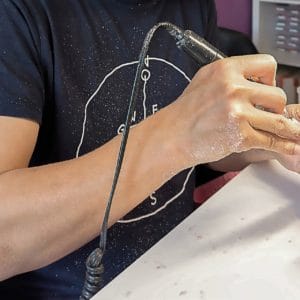
Neither Builder Gel nor Polygel are soak-off gels. This means they cannot be easily dissolved with acetone. The primary method for removing both is filing them down. This process requires a bit of skill and caution to avoid damaging the natural nail underneath. Using an e-file (electric nail file) can speed up the process, but manual filing is also an option. Always leave a thin layer of the product to protect the natural nail. Proper removal is crucial for maintaining nail health after enjoying your Polygel Builder Gel manicure.

Cost-Effectiveness for At-Home Use

Initially, the investment in tools for both systems (UV/LED lamp, brushes, files, etc.) will be similar. However, the cost per application can vary. Polygel often comes in larger tubes and may require less product per application, potentially making it slightly more cost-effective in the long run. Builder Gel might be slightly pricier per pot, but a little goes a long way. Consider the longevity of your chosen product and how frequently you’ll need to reapply or fill. Both offer significant savings compared to salon visits, making Polygel Builder Gel an economical choice over time.

Ideal User Profile for Each

Builder Gel is often preferred by those with some experience in nail application, or individuals seeking maximum rigidity and strength for very weak or brittle nails. It’s also a favorite for encapsulating glitter or creating intricate designs due to its clear options and self-leveling properties (which, with practice, can be an advantage). If you prioritize extreme durability and have a steady hand, Builder Gel might be your go-to for a strong Polygel Builder Gel foundation.

Polygel is ideal for beginners due to its easy-to-control, non-drip formula. It’s perfect for those who want to build length or add strength without the learning curve of self-leveling gels. If you value a lightweight, flexible feel and an easier application process, Polygel is likely your best bet for achieving beautiful Polygel Builder Gel nails at home. Many find it to be the perfect entry point into advanced gel systems.

Essential Tools and Prep for Your Polygel Builder Gel Application

Regardless of whether you choose Polygel or Builder Gel, proper preparation and having the right tools are non-negotiable for a successful, long-lasting manicure. Skimping on these steps can lead to lifting, chipping, and frustration. Investing in quality tools is an investment in your Polygel Builder Gel success.

Nail Preparation: The Foundation of Success

This is arguably the most critical step. Start by gently pushing back your cuticles and carefully removing any non-living tissue. Lightly buff the natural nail plate to remove shine and create a surface for the gel to adhere to. Cleanse the nail thoroughly with a nail dehydrator or 99% isopropyl alcohol to remove any oils or dust. Apply a bonder or primer for enhanced adhesion. According to industry experts, proper nail prep can extend the longevity of your gel manicure by up to 30%. This meticulous preparation is vital for any Polygel Builder Gel application.

Must-Have Supplies for Both Systems

Beyond the gel product itself, you’ll need a few essentials. A good quality nail brush (flat or oval for builder gel, or a dual-ended tool for polygel), nail files (100/180 grit for shaping, 220/280 grit for buffing), a cuticle pusher, nail clippers, and lint-free wipes are all standard. For Polygel, a slip solution is essential for shaping. For Builder Gel, dappen dishes for pouring out small amounts of product can be helpful. Having all your supplies organized will streamline your Polygel Builder Gel process.

UV/LED Lamp: The Curing Catalyst

Both Polygel and Builder Gel require a UV or LED lamp to cure (harden). Ensure your lamp is powerful enough (at least 36W for LED, 48W for UV) and has a timer setting. Always check the manufacturer’s recommended curing times for your specific product, as under-curing can lead to lifting or allergic reactions, while over-curing can make the product brittle. A reliable lamp is non-negotiable for achieving a durable Polygel Builder Gel set.

5 Proven Tips for Flawless Polygel Builder Gel Nails at Home

Now that you understand the products and preparation, here are five proven tips to help you achieve salon-worthy Polygel Builder Gel nails every time.

Tip 1: Master Nail Prep

As mentioned, proper nail preparation is paramount. Don’t rush this step. Take your time to clean, dehydrate, and prime your nails perfectly. Any oil, dust, or cuticle residue left on the nail plate will cause lifting. Think of it as preparing a canvas for a masterpiece – the better the canvas, the better the final artwork. This foundation ensures your Polygel Builder Gel adheres flawlessly.

Tip 2: Use the Right Slip Solution/Monomer (for Polygel) or Control Your Viscosity (for Builder Gel)

For Polygel, the slip solution is your best friend. Use just enough to keep the gel from sticking to your brush, but not so much that it makes the product too wet and difficult to control. For Builder Gel, if it’s too thick, gently warm the bottle in a bowl of warm water for a few minutes to thin it slightly. If it’s too runny, try working in a cooler environment. Controlling the product’s consistency is key to a smooth Polygel Builder Gel application.

Tip 3: Apply Thin, Even Layers

Whether you’re using Polygel or Builder Gel, applying multiple thin, even layers is always better than one thick layer. Thick layers can lead to improper curing, bubbling, and premature lifting. Build up the nail gradually, ensuring each layer is fully cured before applying the next. This technique results in a stronger, more even, and longer-lasting Polygel Builder Gel manicure. For internal linking, remember to check our guide on “Layering Techniques for Gel Nails.”

Tip 4: Proper Curing is Key

Always adhere to the manufacturer’s recommended curing times for your specific gel product and lamp. Under-curing can lead to a sticky, soft product that will lift or cause allergic reactions. Over-curing can make the product brittle. If you’re unsure, a slightly longer cure time within reasonable limits is generally safer than too short. Consistent and complete curing is essential for the integrity of your Polygel Builder Gel.

Tip 5: Practice Makes Perfect

Don’t get discouraged if your first few attempts aren’t perfect. Nail artistry, especially with Polygel Builder Gel, takes practice. Start with one hand, perhaps your non-dominant hand first, to get a feel for the product. Watch tutorials (YouTube is a fantastic resource for visual learners) and learn from your mistakes. With each application, you’ll gain confidence and skill, leading to increasingly flawless results. Persistence is your most powerful tool in mastering Polygel Builder Gel.

Troubleshooting Common Polygel Builder Gel Issues

Even with the best techniques, you might encounter some common issues. Here’s how to address them:

Lifting

Lifting is almost always due to improper nail preparation. Ensure you’ve thoroughly pushed back cuticles, removed all non-living tissue, dehydrated the nail plate, and used a good primer. Also, ensure you’re not getting any product on your cuticles or sidewalls, as this will guarantee lifting. A clean application around the edges is vital for a lasting Polygel Builder Gel set.

Bubbles

Bubbles can occur if you’re mixing or stirring your Builder Gel too vigorously, trapping air. For Polygel, bubbles might arise from improper application of the dual form or if the product is overworked. Try to apply the product smoothly and avoid excessive manipulation. Ensure your brush is clean and free of debris. Small bubbles can compromise the strength and appearance of your Polygel Builder Gel.

Cracking

Cracking can be a sign of under-curing, over-curing (making the product too brittle), or applying layers that are too thin in stress areas. Ensure you’re building a proper apex or arch for strength, especially on longer nails. Re-evaluate your curing times and product application technique. A well-structured Polygel Builder Gel nail should be resistant to cracking.

Maintaining Your Polygel Builder Gel Manicure

Once you’ve achieved your perfect Polygel Builder Gel manicure, proper maintenance is key to extending its life and keeping your natural nails healthy.

Aftercare Tips

Always wear gloves when doing household chores or gardening to protect your nails from harsh chemicals and physical impact. Regularly apply cuticle oil to keep your cuticles hydrated and healthy, which also helps prevent lifting. Avoid using your nails as tools, as even the strongest Polygel Builder Gel can break under extreme pressure.

Fills and Removals

Most gel manicures will need a fill or complete removal every 3-4 weeks as your natural nails grow out. For fills, gently file down the existing product, re-prep the growth area, and apply new gel. For removal, carefully file down most of the product, leaving a thin protective layer. Never rip or peel off your gel nails, as this can severely damage your natural nail plate. Professional guidance, or watching detailed tutorials on safe removal, is highly recommended for your Polygel Builder Gel journey.

Conclusion

Choosing between Polygel and Builder Gel for your at-home nail enhancements doesn’t have to be daunting. Both offer incredible avenues for achieving strong, long, and beautiful nails. Polygel stands out for its beginner-friendly, controllable application and lightweight feel, while Builder Gel is prized for its exceptional strength and rigidity, ideal for those seeking maximum durability. Ultimately, the best “Polygel Builder Gel” product is the one that aligns with your skill level, lifestyle, and desired aesthetic.

By understanding their unique properties, diligently preparing your nails, and following our five proven tips, you are well on your way to mastering the art of at-home gel manicures. Don’t be afraid to experiment and find what works best for you. Your journey to stunning, salon-quality nails starts now. What are you waiting for? Grab your kit and start creating your dream Polygel Builder Gel nails today!